

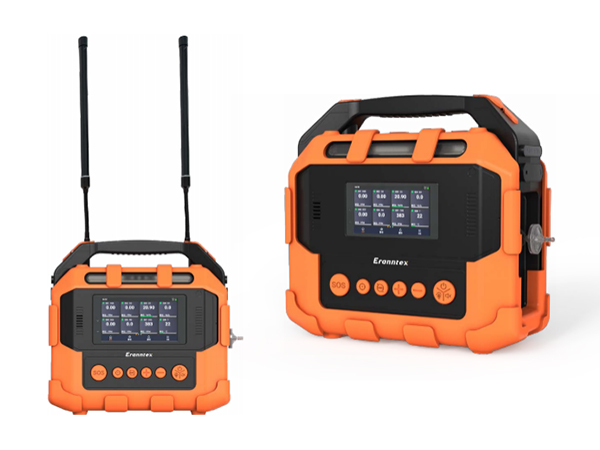
1.Core Installation Points for Industrial Gas Detectors
Set installation height according to gas density: For gases lighter than air (methane, hydrogen, etc.), install the detector 30–60 cm below the ceiling. For gases heavier than air (hydrogen sulfide, propane, etc.), install it 30–120 cm above the ground.
Avoid six installation prohibitions: Do not install detectors facing direct air outlets, near high-temperature heat-generating equipment, in rain-prone or water-logged areas, strong electromagnetic interference zones, unprotected high-dust and oil-contaminated areas, or poorly ventilated dead spaces.
Precise layout for key areas: Prioritize deployment at high-risk leakage points such as pipeline valves, flange joints, pump rooms, enclosed workshops and trenches to eliminate monitoring blind spots.
Compliant wiring and acceptance: Follow explosion-proof wiring specifications strictly, and implement waterproof and dustproof protection for cables. After installation, complete power-on preheating, zero calibration and gas testing to verify normal operation of audible-visual alarms and data transmission.
2.Core Maintenance Points for Industrial Gas Detectors
Carry out daily inspections: Check power supply status and normal readings on the display screen every day. Remove dust and oil deposits on the probe surface with a dry soft cloth or compressed air to prevent blockage of the sensor gas inlet.
Scheduled calibration: Perform calibration with certified standard gas at specified intervals. Keep calibration records for combustible and toxic gas detectors. Conduct calibration first when zero drift or slow response occurs. Replace the sensor promptly if repeated calibration fails to meet requirements.
Synchronous testing of supporting systems: Regularly test linkage functions of audible-visual alarms, exhaust fans and emergency shut-off valves to ensure they activate once an alarm is triggered.
Full-lifecycle document management: Establish one dedicated file for each detector, recording installation date, inspection logs, calibration reports and sensor replacement records. Explosion-proof structures must not be disassembled by uncertified personnel.
Quick troubleshooting for common faults: For false alarms, clean the probe filter first. For reading drift, perform calibration with standard gas. For communication failures, check wiring and connectors first. If the industrial gas detector fails to start, focus on inspecting the power supply and fuses.